






What Do Different Traffic Sign Colors Mean?
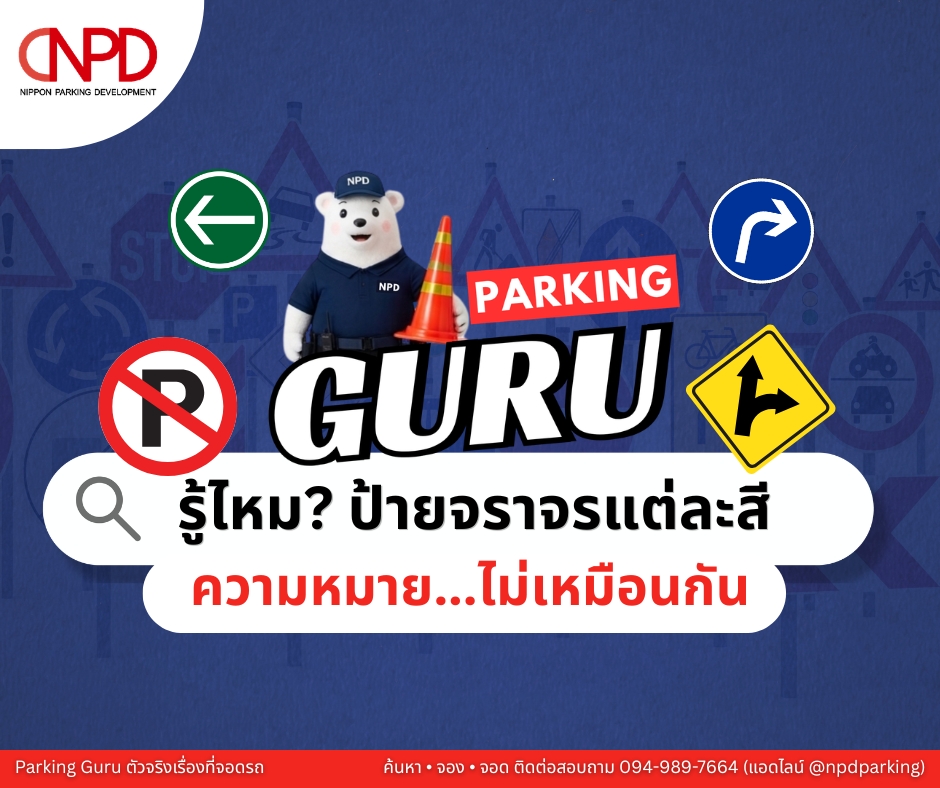
What Do Different Traffic Sign Colors Mean?
A Guide Every New Driver Should Know
When driving on the road, you may notice that traffic signs come in a variety of colors. But did you know that the colors of traffic signs are not only designed to make them more visible? They also communicate different types of information and meanings to drivers.
Understanding the meaning of traffic sign colors can help drivers make quicker decisions, improve road safety, and reduce the risk of unintentionally violating traffic laws.
Red Signs = Prohibitions
Red traffic signs indicate prohibitions or actions that drivers are not allowed to perform. Violating these signs may result in traffic offenses, fines, or legal penalties.
When you encounter a red sign, it is important to pay close attention and follow its instructions strictly to ensure safety and avoid penalties.
Common Examples of Red Signs
● No Parking
● No Stopping
● No U-Turn
● Do Not Enter
Blue Signs = Mandatory Instructions
Blue traffic signs indicate mandatory instructions, meaning drivers are required to follow the directions or regulations shown on the sign.
When you see these signs, you should follow the designated route or direction to help maintain orderly and safe traffic flow.
Examples of Blue Signs
● Turn Left
● Proceed Straight Ahead
● One-Way Traffic
● Roundabout – One-Way Traffic
Yellow Signs = Warning Signs
Yellow traffic signs are used to warn drivers to exercise extra caution, as there may be road conditions or situations that increase the risk of accidents.
When you see a yellow sign, you should reduce your speed and be prepared for changing road conditions ahead.
Examples of Yellow Signs
● Curve Ahead
● Intersection Ahead
● Pedestrian Crossing Ahead
● Slippery Road
Orange Signs = Construction Zones
Orange traffic signs are commonly used in construction areas, road repair zones, or locations where traffic conditions have been temporarily modified.
When you encounter orange signs, you should reduce your speed, maintain a safe following distance, and pay close attention to road conditions, as the traffic pattern may differ from normal.
Examples of Orange Signs
● Detour Ahead
● Road Workers Ahead
● Uneven Road Surface
● Lane Configuration Change
Although it may seem like a small detail, understanding the meaning of traffic sign colors helps drivers quickly recognize important information. Remembering these color meanings can not only make driving more confident and efficient but also help reduce the risk of accidents and prevent violations of traffic regulations.


